Expert Repair Before the First Drop of Paint
The Wall Behind the Finish Matters Just as Much as the Finish Itself
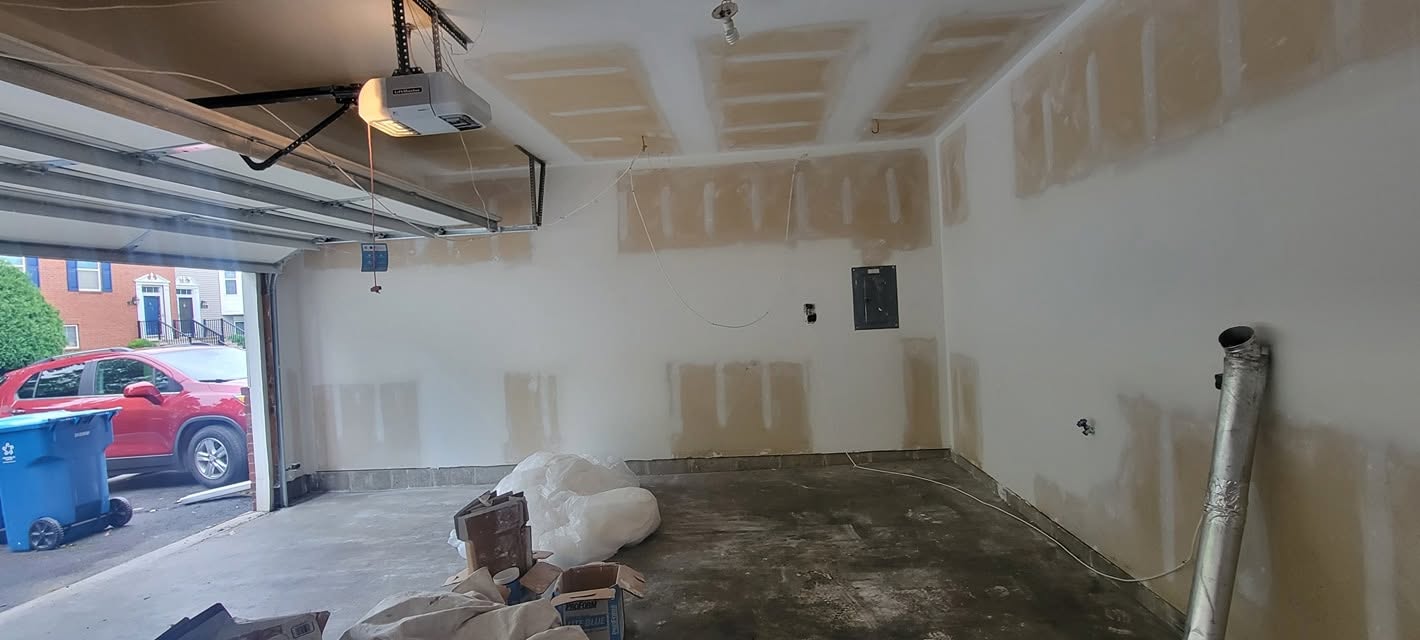
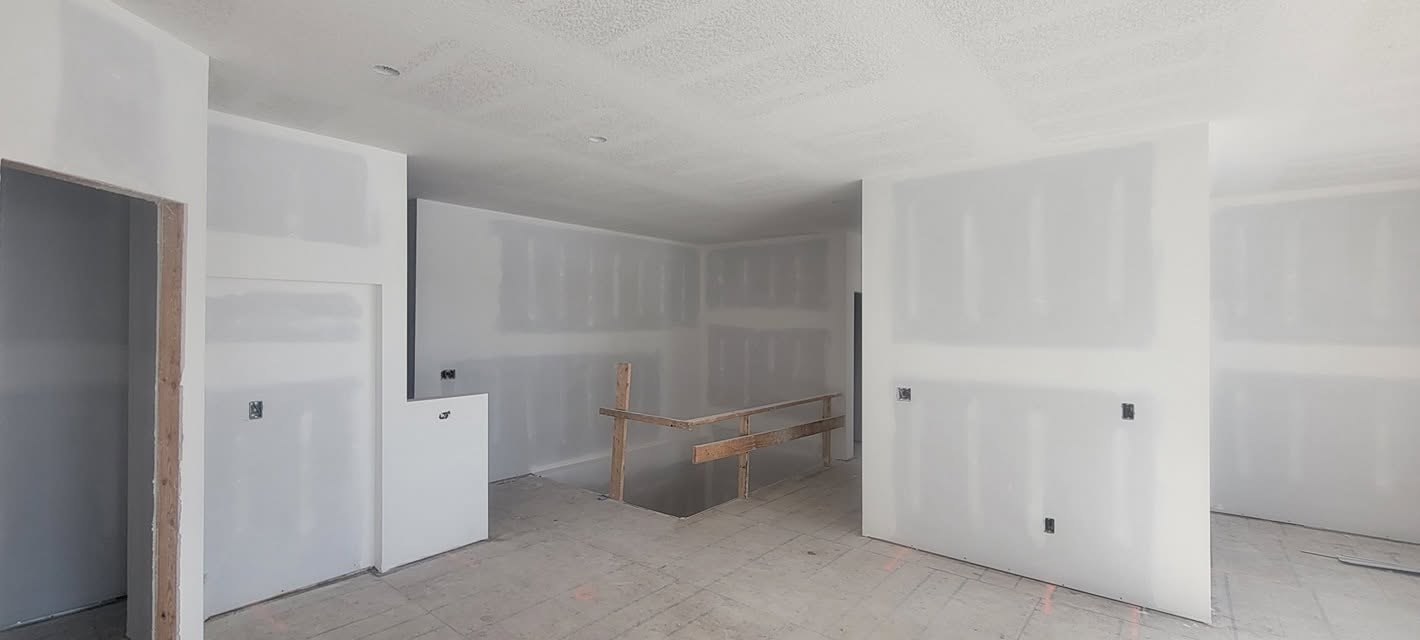
Drywall repair is the work that makes a paint job look truly premium instead of just passable. Cracks along ceilings, holes from hardware, settling seams, and water-damaged surfaces all telegraph through even the best topcoat if the substrate underneath isn’t addressed properly first. Done right, the repair disappears entirely and the finished wall looks like it was never touched.
At Prodigy Painting, we’ve spent over 15 years making sure that every surface we paint is worth painting. Our drywall repair process isn’t a quick skim to get to the color faster. It’s a deliberate step that we treat with the same care as the finish coats, because that’s what a result you’re genuinely proud of actually requires.
Our Repair Process
How We Get the Wall Back to Flawless
-
Step One
Assessment and Scope
We walk every surface with you before anything else. Cracks, holes, water damage, and texture inconsistencies are all documented so the scope of repair is clear and nothing gets missed once work begins. -
Step Two
Surface Preparation
Loose paper, crumbling compound, and any compromised drywall material are removed before new compound goes on. Popped fasteners are re-secured. Water-damaged areas are confirmed dry before we proceed. -
Step Three
Compound Application and Feathering
We apply joint compound in coats, feathering each layer wide enough to blend seamlessly into the surrounding wall. Larger repairs get mesh tape or backing material for structural integrity. Each coat dries fully before the next is applied. -
Step Four
Sanding and Texture Matching
Every repair is sanded smooth between coats and assessed in raking light before we stop. Where the wall has texture, we match it to the surrounding surface so the repaired area is indistinguishable from the original. -
Step Five
Priming and Handoff
Bare compound is primed before any finish coat goes on. If the repair is part of a larger interior paint project, this step flows directly into the painting process. If we're handing off a repair-only job, you get a primed, paint-ready surface with nothing left for the next coat to reveal.
Why Prodigy Painting
Preparation Is Where Premium Results Actually Start
Most paint failures, peeling, bubbling, uneven sheen, trace back to one thing: prep that got rushed or skipped entirely. That's the part homeowners usually can't see, which is exactly why it's where corners get cut. At Prodigy Painting, prep is non-negotiable. Every surface is cleaned, sanded, primed, and ready before any finish coat goes on. We specify premium products by name in your estimate so there's no guessing about what's going on your walls, and our labor warranty backs the finished result, not just the paint manufacturer's promise. Over 15 years of work across the Twin Cities, and our reputation is built on projects that still look great years later.
See How We WorkCan you paint over drywall repair the same day?
Not if the repair is going to last. Joint compound needs to dry fully between coats and before priming, and rushing that process is one of the most common reasons a repair cracks, shrinks, or flashes through the topcoat. Depending on the size of the repair and the humidity in the space, the process typically spans two to three days from first coat to paint-ready.
How do you match texture after a drywall repair?
Texture matching takes a close look at the existing wall and usually a few test passes in an inconspicuous spot before we commit to the repair area. Orange peel and light knockdown textures are applied with a spray or a specific technique that mimics the original. The goal is for the repair to disappear entirely once it’s primed and painted, not just get close.
Do I need to repaint the whole wall after a drywall repair?
It depends on how well the existing paint color can be matched and how the repaired area sits relative to the room’s corners and natural breaks. Spot painting over a repair often results in sheen or color variation that’s visible in certain light. In most cases, painting corner to corner on the affected wall gives you a result that’s genuinely seamless rather than just adequate.
What if my walls have water damage?
Water-damaged drywall needs to be fully dry before any repair compound goes on, and the source of the moisture has to be resolved first. If the paper facing is compromised or the core has softened, that section typically needs to be cut out and replaced rather than patched over. We assess the condition before any work starts so you know exactly what the repair involves.
Can drywall repair be done in older homes with lead paint?
Yes, and it requires following EPA lead-safe practices when the work disturbs more than six square feet of painted surface in any room of a home built before 1978. Prodigy Painting is an EPA Lead Certified Contractor, so we handle the containment, work practices, and cleanup that the RRP rule requires. You don’t need to manage that piece of it.
Let's Get to Work
Your Space Deserves Better Than Average. Let's Make It Happen.
Request a Free EstimateWhere We Work
Serving Homeowners Across the Twin Cities
- Arden Hills
- Champlin
- Shakopee
- Rogers
- Crystal
- Plymouth
- Golden Valley
- Farmington
- Inver Grove Heights
- St. Louis Park
- Circle Pines
- Wayzata
- Robbinsdale
- Medina
- Prior Lake
- Apple Valley